What Is Blue Collar? Definition, Salaries, and Trends
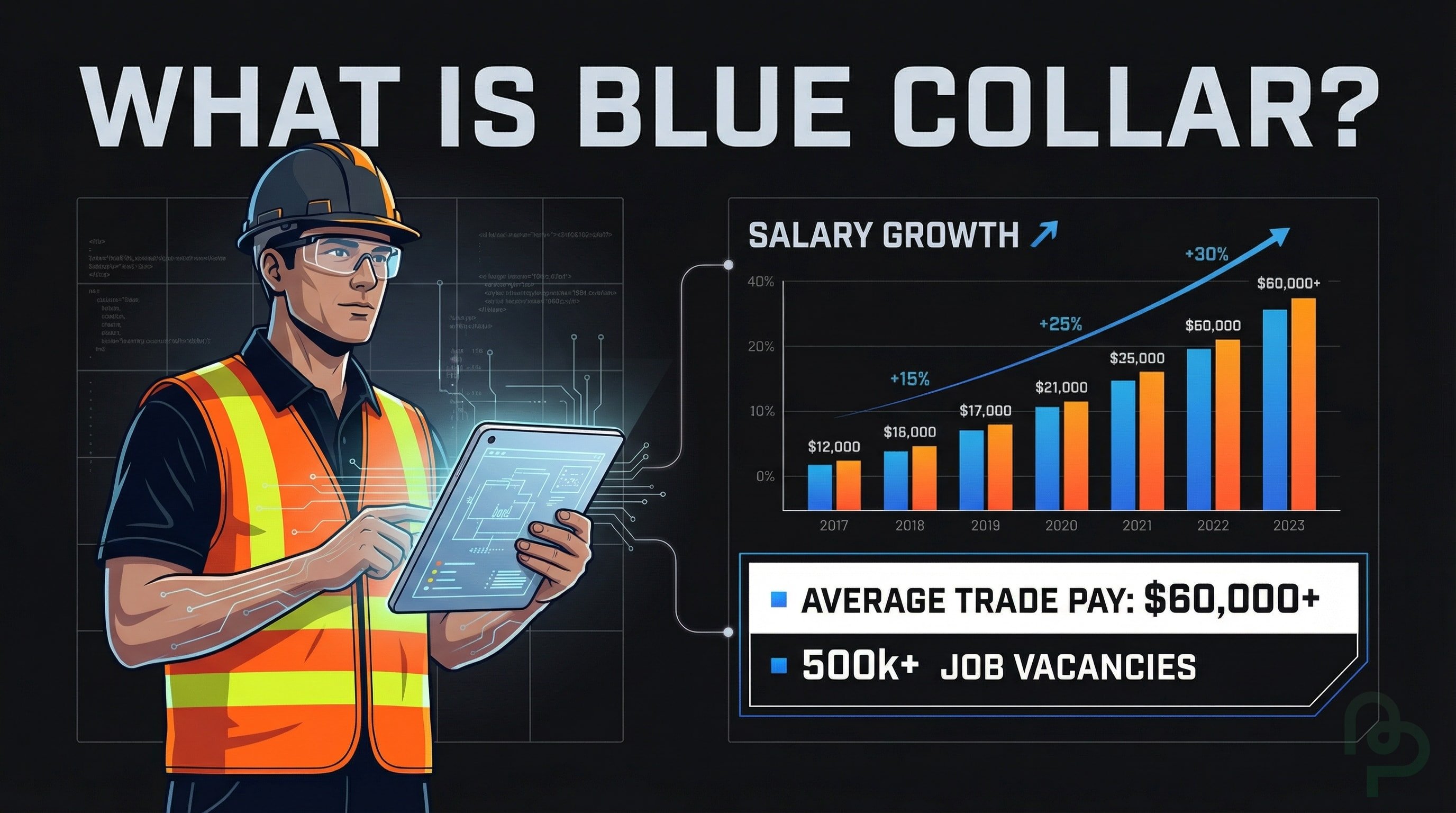
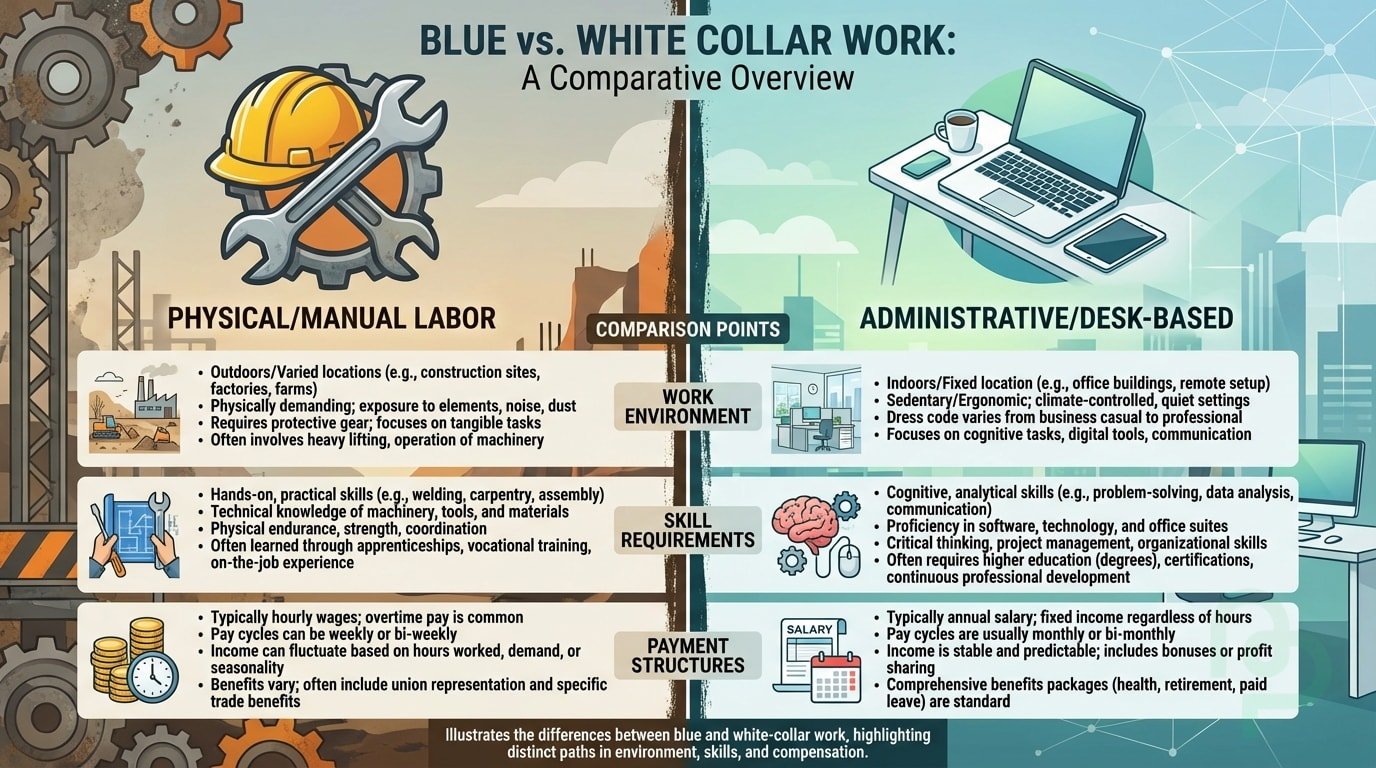
Blue collar jobs refer to manual labor positions in sectors like construction, manufacturing, and maintenance that typically require physical work and specialized technical skills rather than a desk setting. While often stereotyped as low-wage, high-demand trades like electrical work now command median salaries of $61,590 (BLS, 2024). This guide breaks down modern blue-collar definitions, salary benchmarks, and the shifting labor market trends.
Modern Definition of the Blue-Collar Workforce
The traditional image of a blue-collar worker has shifted from unskilled assembly lines to highly technical roles involving robotics and advanced machinery. Today, manufacturing alone employs 13 million people in the United States (NAM, 2024). These workers are the backbone of the physical economy, managing infrastructure that keeps cities running.
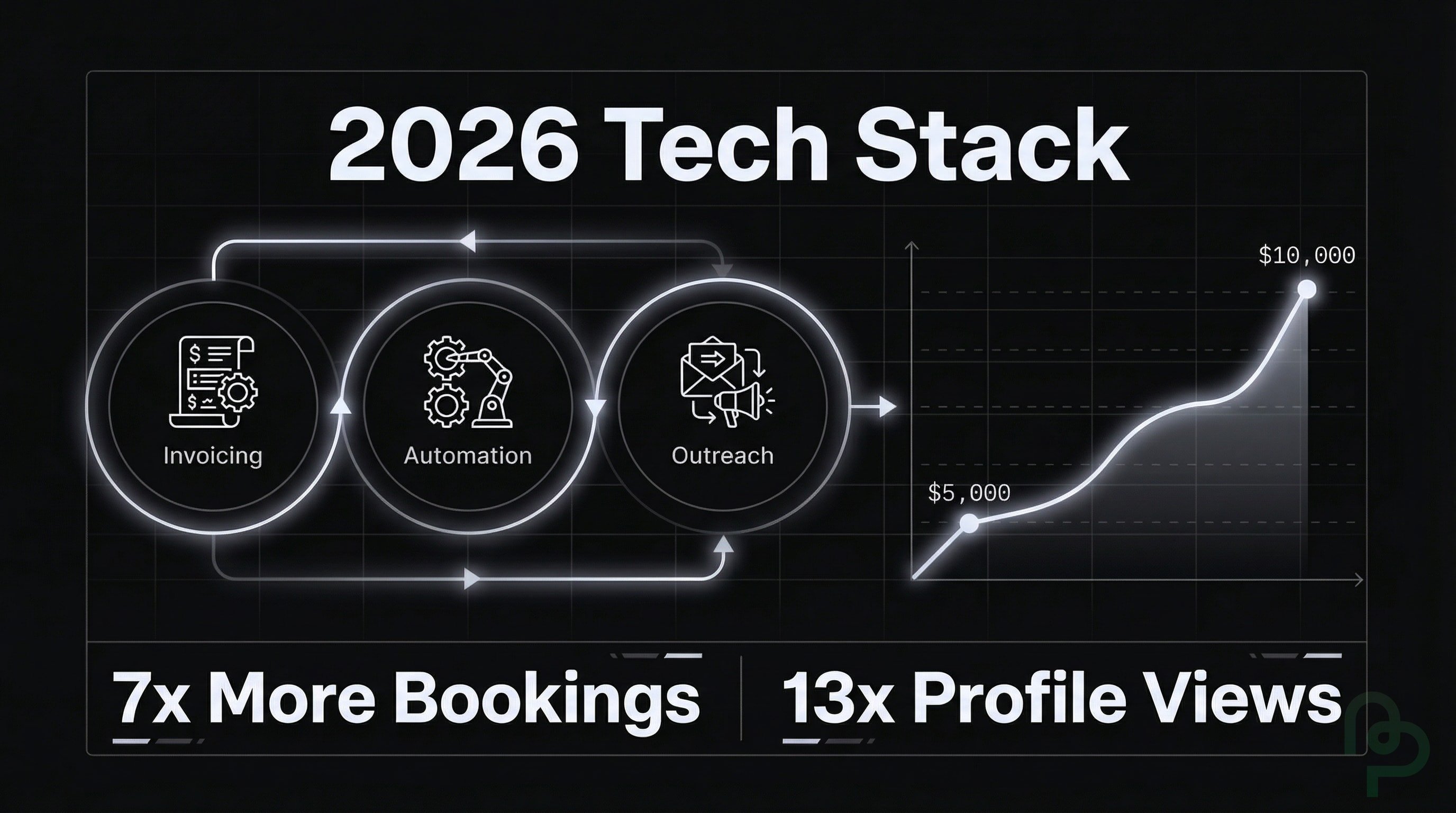
You'll find these professionals in fields ranging from HVAC repair to commercial aerospace manufacturing. Unlike white-collar roles that focus on administrative tasks, these jobs prioritize tangible output and hands-on problem solving. Managing $10,000 projects in the field requires mobile-first invoicing tools like PineBill to track material costs instantly.
Salary and Economic Impact
Demand for skilled labor is at an all-time high, driven by a massive labor gap. There are currently 501,000 vacant construction positions that firms are struggling to fill (Associated Builders and Contractors, 2024). This shortage has pushed wages up for many specialized trades.
Commercial projects frequently exceed $50,000 in labor costs alone. Because of this, software like PineBill helps contractors convert site estimates into formal invoices before they even leave the job site. This ensures cash flow stays steady even when material costs fluctuate.
| Job Title | Median Annual Pay | Primary Work Environment |
|---|---|---|
| Electrician | $61,590 | Construction Sites / Residential |
| HVAC Technician | $57,300 | Commercial / Residential Buildings |
| Plumber | $61,640 | Infrastructure / Residential |
| Aircraft Mechanic | $75,400 | Hangars / Airports |
| Machinist | $52,260 | Factories / Machine Shops |
Source: Bureau of Labor Statistics, 2024
The Rise of New-Collar Jobs
The line between blue and white collar is blurring with the emergence of "new-collar" jobs. These roles require technical certification but don't necessarily demand a four-year degree. Cybersecurity technicians, cloud computing specialists, and renewable energy installers fall into this hybrid category.

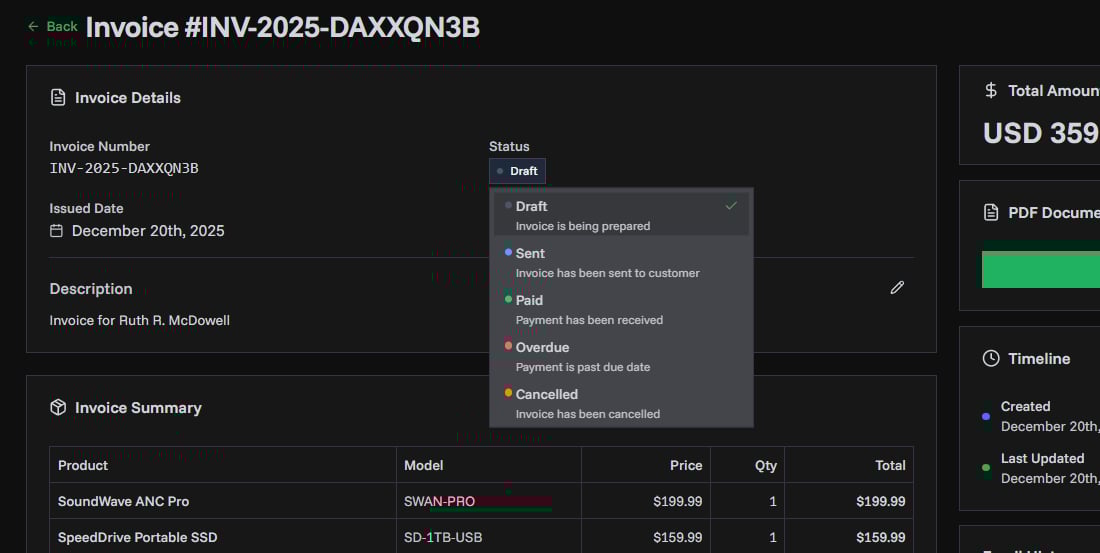
Companies are prioritizing skills over diplomas because they can't find enough traditionally educated workers to fill technical gaps. Tools like PineBill handle recurring service contracts for HVAC and plumbing businesses automatically, allowing these technical experts to focus on the work rather than the paperwork. If you're entering the trades, you won't just be using a wrench; you'll be using diagnostic software and digital project management tools daily.
Key Takeaways
- Physical Labor Focus—Blue collar roles prioritize manual work and technical skill application over desk-bound administration.
- High Earning Potential—Specialized trades like electrical work and aircraft maintenance offer median salaries above $60,000 (BLS, 2024).
- Critical Labor Shortage—Over 500,000 construction jobs remain unfilled, creating high job security for new entrants (ABC, 2024).
- Technical Integration—Modern blue-collar work frequently involves using advanced software and robotics.
- Credential Shifts—Vocational certifications and apprenticeships are often more valuable than four-year degrees in this sector.