Proforma Invoice vs Invoice: Complete Guide
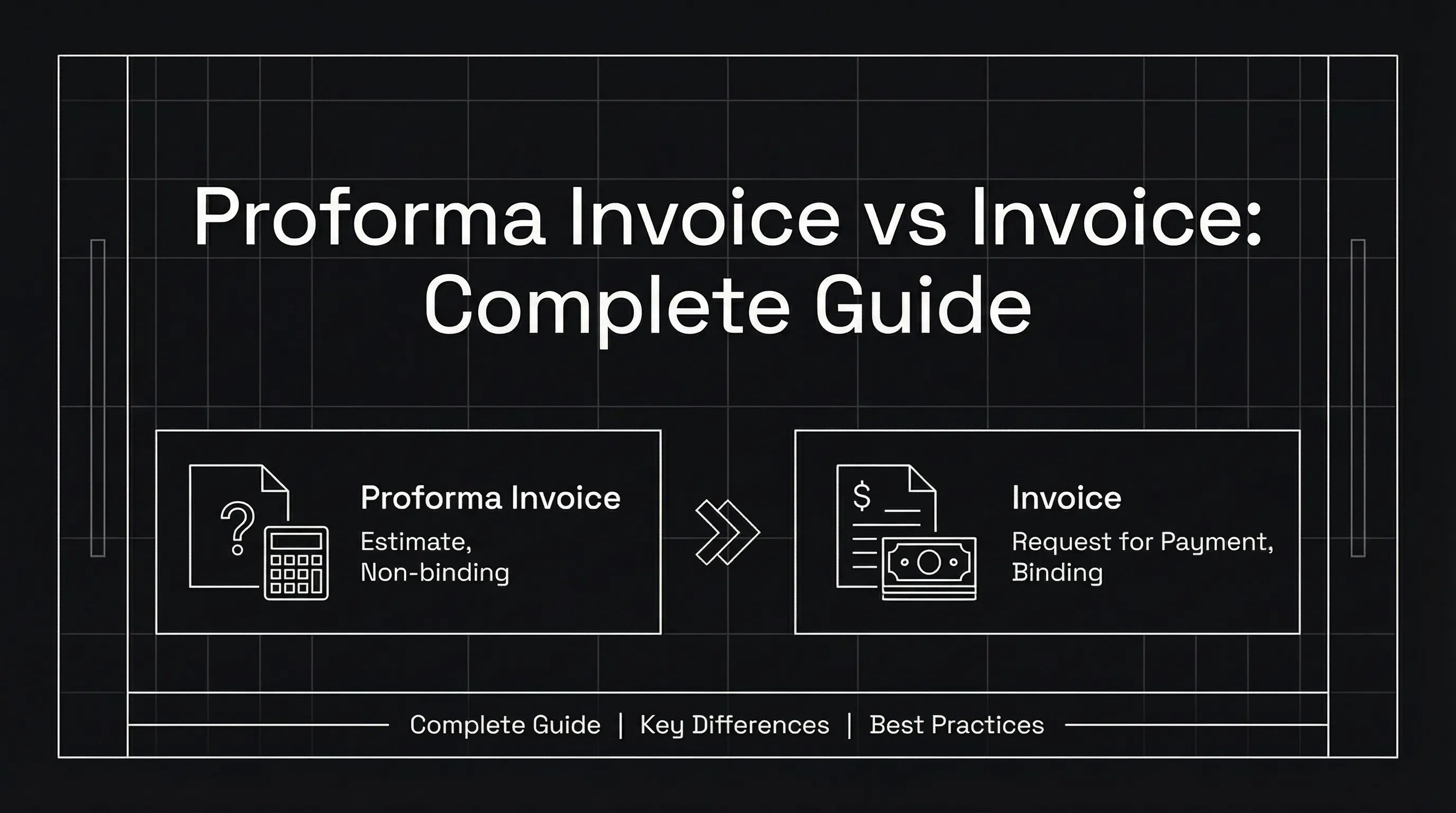
Understanding the difference between a proforma invoice and a standard commercial invoice is essential for businesses engaged in sales, especially international trade. While both documents serve important purposes, they have distinct functions and legal implications.
What is a Proforma Invoice? (Pro Forma Invoice Meaning)
A proforma invoice is a preliminary bill of sale sent to buyers before a shipment or delivery of goods. The term "proforma" is Latin for "as a matter of form" or "for the sake of form."
Key Characteristics of Proforma Invoices:
- Not a demand for payment - serves as a quote or estimate
- Issued before goods are shipped or services are rendered
- Not recorded as revenue in accounting systems
- Often used in international transactions for customs purposes
- Can be modified or canceled without accounting implications
- Typically labeled "PROFORMA INVOICE" to distinguish from commercial invoices
Common Uses for Proforma Invoices:
- International Trade: Required by customs authorities to assess duties and taxes before shipment
- Purchase Authorization: Helps buyers secure internal approval and arrange financing
- Advance Commitment: Shows buyer the exact costs before placing a formal order
- Import Documentation: Assists with import licenses and foreign exchange allocations
What is a Commercial Invoice?
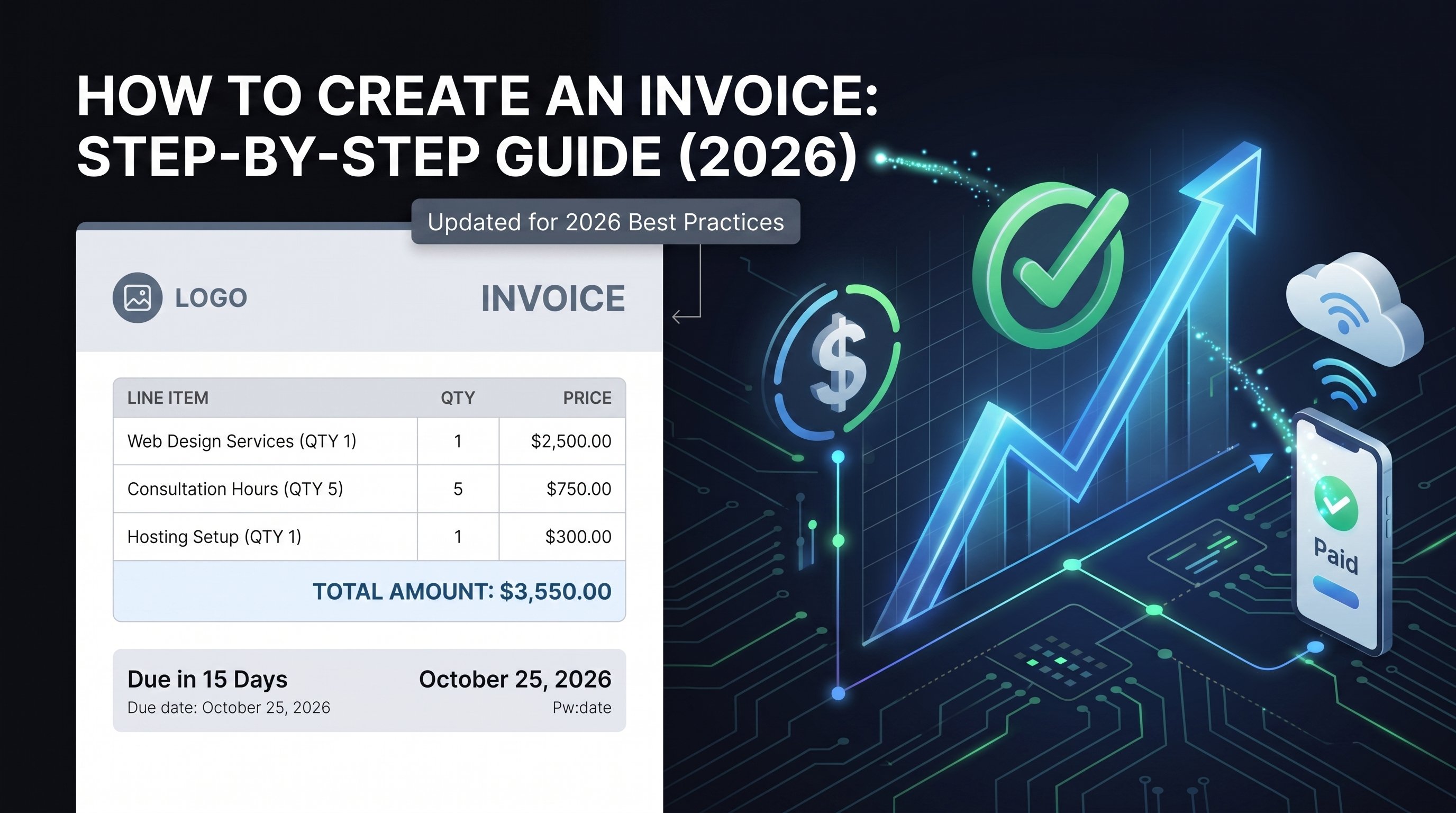
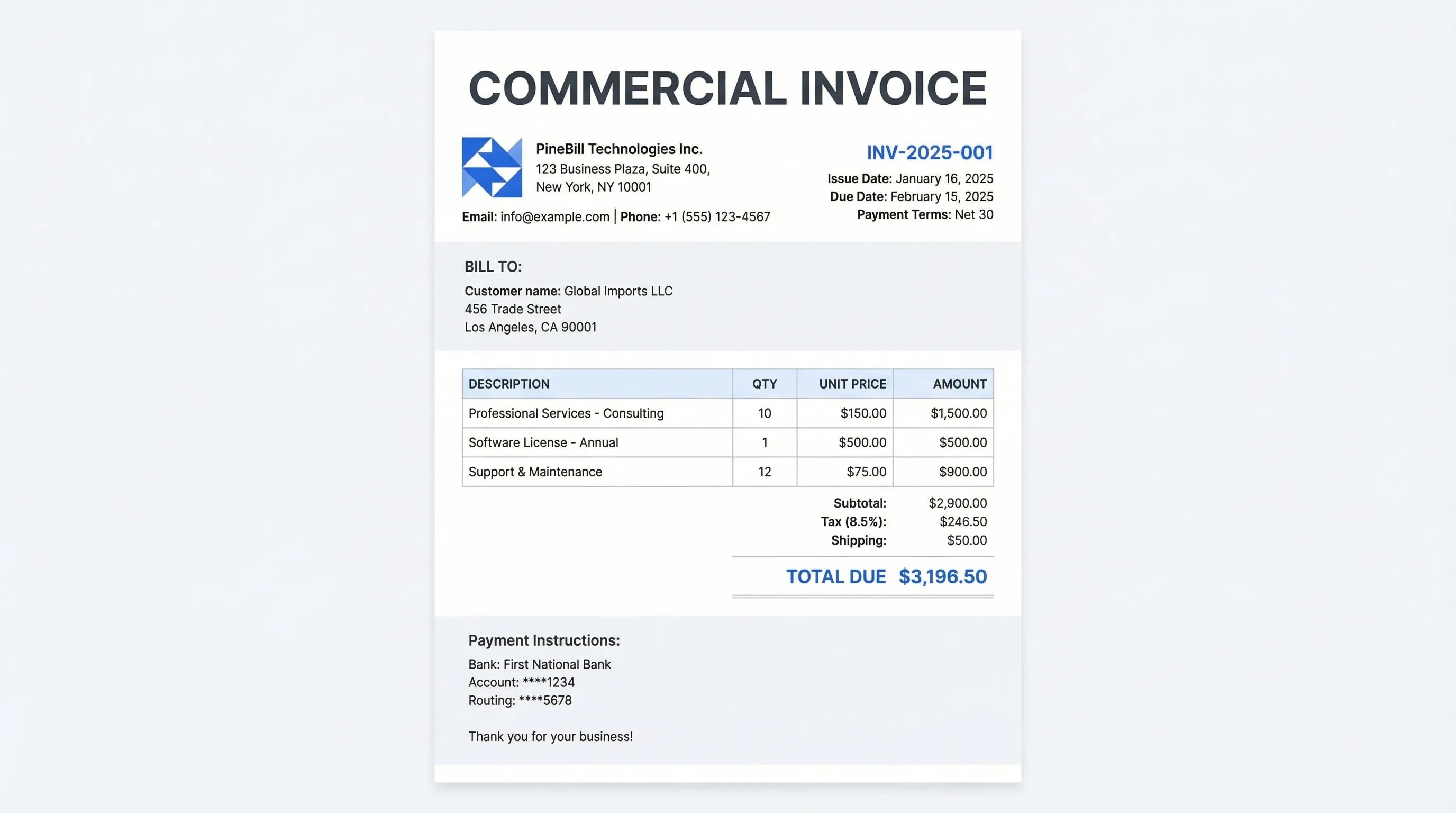
A commercial invoice (also called a standard invoice or final invoice) is a legal document issued by sellers requesting payment for goods or services already provided or about to be delivered.
Key Characteristics of Commercial Invoices:
- Legal demand for payment - creates a payment obligation
- Issued after goods are shipped or services are completed
- Recorded as accounts receivable and revenue
- Required for tax reporting and accounting purposes
- Legally binding document
- Contains unique invoice number for tracking
Common Uses for Commercial Invoices:
- Payment Collection: Primary document for requesting and tracking payments
- Accounting Records: Essential for bookkeeping and financial statements
- Tax Documentation: Required for VAT, sales tax, and income tax reporting
- Legal Protection: Serves as proof of transaction in disputes
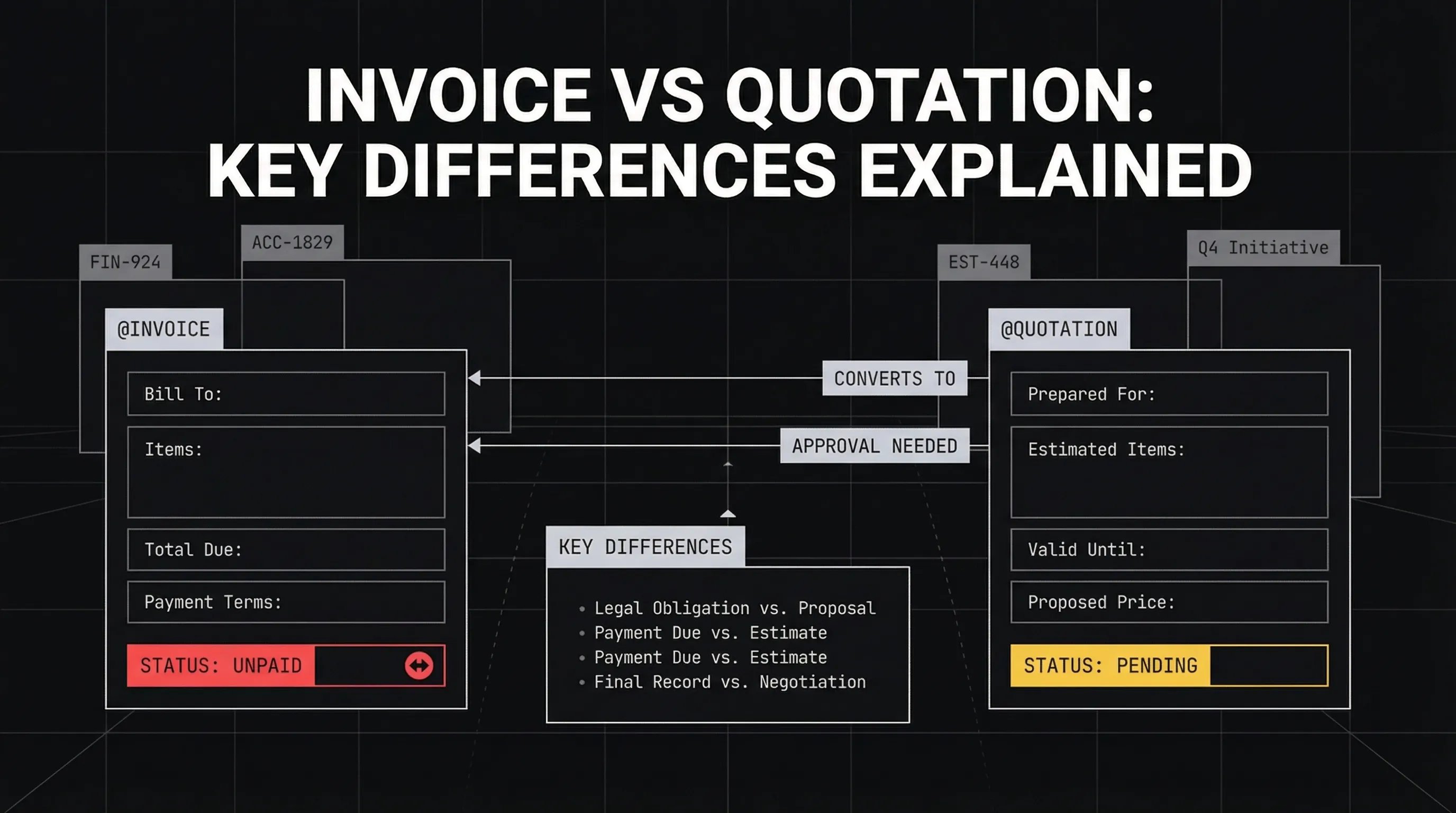
Proforma Invoice vs Commercial Invoice: Key Differences

| Feature | Proforma Invoice | Commercial Invoice |
|---|---|---|
| Purpose | Quote/estimate | Payment request |
| Timing | Before shipment/order | After shipment/delivery |
| Legal Status | Not legally binding | Legally binding |
| Accounting | Not recorded as revenue | Recorded as revenue |
| Payment | No payment obligation | Creates payment obligation |
| Modification | Can be changed easily | Requires credit notes to modify |
| Tax Impact | No tax implications | Subject to sales tax/VAT |
| Customs | Used for import clearance | Final document for customs |
When to Use a Proforma Invoice
Use a proforma invoice when:
1. Requesting Purchase Approval
Buyers often need a formal document to secure internal approval or budget allocation before committing to a purchase.
2. International Shipments
Many countries require proforma invoices for:
- Customs clearance
- Calculating import duties and taxes
- Obtaining import licenses
- Arranging letters of credit
3. Advance Payment or Deposits
When requesting a deposit or advance payment, a proforma invoice shows the commitment without creating a final invoice.
4. Providing Detailed Quotes
For complex projects or large orders, a proforma invoice provides more detail than a standard quote:
- Itemized pricing
- Shipping costs
- Payment terms
- Delivery schedules
When to Use a Commercial Invoice
Use a commercial invoice when:
1. Requesting Payment
After goods are shipped or services are rendered, a commercial invoice officially requests payment.
2. Recording Sales
Commercial invoices are essential for:
- Accounts receivable tracking
- Revenue recognition
- Financial reporting
- Tax compliance
3. Finalizing International Transactions
While proforma invoices help with customs pre-clearance, commercial invoices are required as the final documentation for:
- Permanent import/export records
- Final customs valuation
- Certificate of origin verification
4. Legal Documentation
Commercial invoices serve as legal proof of:
- Sale agreement
- Delivery obligations
- Payment terms
- Transaction details
Proforma Invoice vs Invoice: Converting Between Them
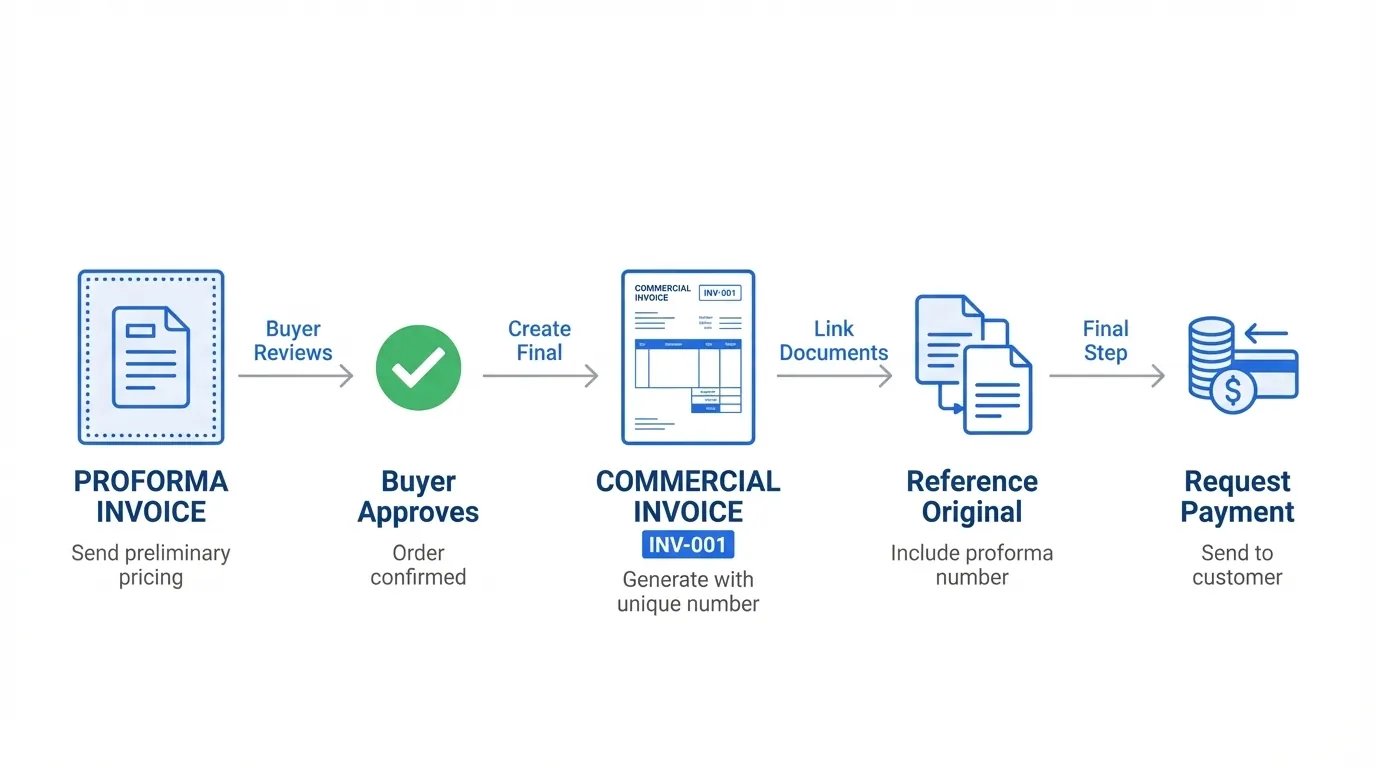
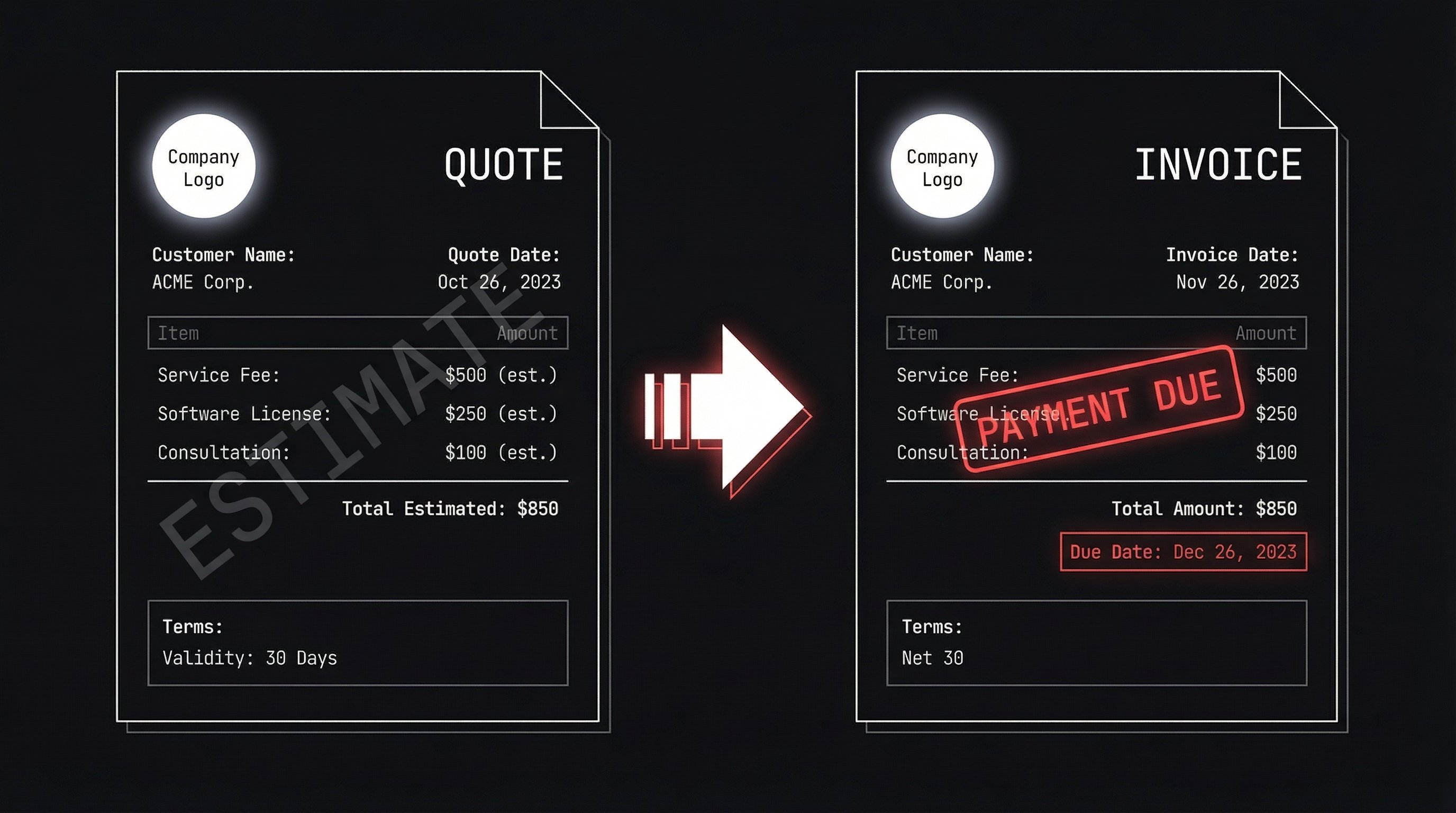
Many businesses issue a proforma invoice first, then convert it to a commercial invoice once the order is confirmed:
Conversion Process:
- Issue Proforma Invoice: Send preliminary pricing and terms
- Buyer Approves: Customer confirms they want to proceed
- Create Commercial Invoice: Generate final invoice with unique number
- Reference Original: Include proforma invoice number for tracking
- Request Payment: Send commercial invoice as payment demand
Important: Never simply rename a proforma invoice to a commercial invoice. Always create a new document with a unique invoice number for proper accounting.
Common Elements in Both Documents
Despite their differences, proforma and commercial invoices typically contain similar information:
- Seller's business name and address
- Buyer's business name and address
- Description of goods or services
- Quantities and unit prices
- Total amount
- Payment terms
- Delivery terms (Incoterms)
- Currency
Key Difference: The proforma invoice should be clearly marked "PROFORMA INVOICE" while the commercial invoice shows "INVOICE" or "COMMERCIAL INVOICE."
Legal and Tax Implications
Proforma Invoices:
- No tax obligation for buyer or seller
- Not counted as revenue in financial statements
- No payment deadline enforcement
- Can be canceled without credit notes
- Not admissible as proof of sale in most legal disputes
Commercial Invoices:
- Creates tax obligations (sales tax, VAT, income tax)
- Counts as revenue when issued or paid
- Legally enforceable payment obligation
- Requires credit notes or refund invoices for corrections
- Legally binding document in disputes
Difference Between Proforma and Commercial Invoice in International Trade
International trade adds complexity to the proforma vs commercial invoice distinction:
Proforma Invoice Role:
- Customs Pre-Clearance: Submitted to customs before shipment
- Import Planning: Helps importers estimate landed costs
- Letter of Credit: Banks use proforma invoices to establish L/Cs
- Foreign Exchange: Importers arrange currency conversion in advance
Commercial Invoice Role:
- Final Customs Clearance: Required for permanent import records
- Duty Payment: Basis for calculating final import duties and taxes
- Trade Statistics: Used by governments for import/export data
- Certificate of Origin: Must match certificate of origin details
Pro Tip: In international trade, you may issue both - proforma for advance planning and commercial for final clearance and payment.
Key Takeaways:
- Proforma invoices are quotes/estimates issued before delivery - not legally binding
- Commercial invoices are payment demands issued after delivery - legally binding
- Use proforma invoices for international customs, buyer approval, and advance planning
- Use commercial invoices for payment requests, accounting records, and tax reporting
- Always clearly distinguish between the two with proper labeling and numbering
- International trade often requires both documents at different stages